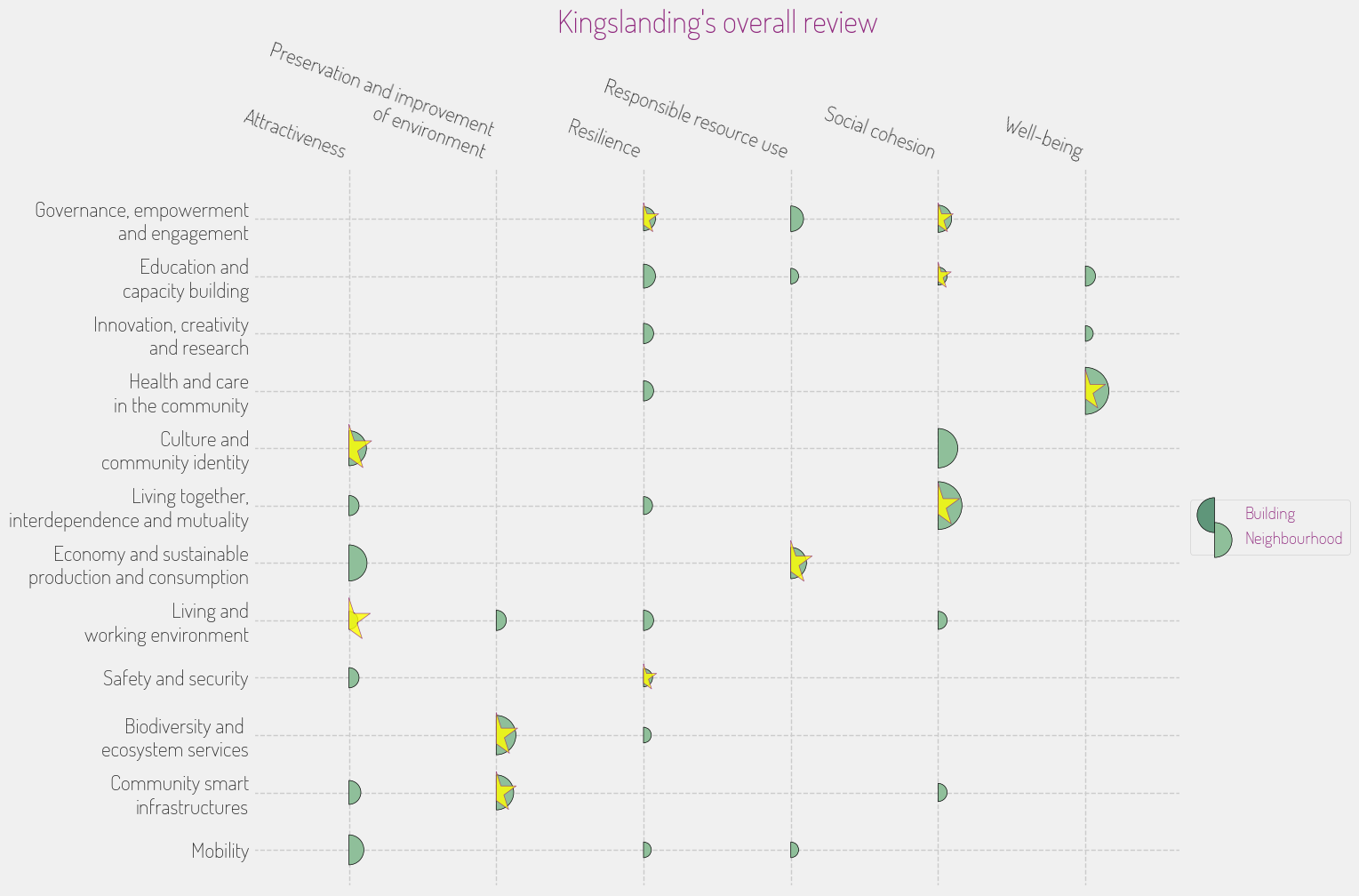
INITIATIVE PORTFOLIO
Initiative #1: Coastal Resilience Parks
Category: Green Space & Environment
Scale: District
Lead Stakeholder Type: Public-Private Partnership
Timeline: Medium (2-3 years)
What it is: This initiative focuses on the creation of multiple coastal resilience parks along Blackwater Bay. These parks will feature natural barriers, such as wetlands and dunes, to absorb storm surges and flooding while providing recreational space for residents.
Why here: Given King’s Landing’s vulnerability to flooding from heavy rains and rising sea levels, these parks will mitigate risks while enhancing local green spaces.
Who benefits most: Residents in lower-income neighborhoods like Flea Bottom, who are most affected by floods.
Quick win or deep change: Deep change
Estimated complexity: Complex
Initiative #2: Flood Preparedness Hub
Category: Community Safety & Resilience
Scale: Neighborhood
Lead Stakeholder Type: Non-profit
Timeline: Short (1 year)
What it is: A flood preparedness hub which will serve as an information center for residents to learn about flood risks and equip them with resources and training for response and recovery during adverse weather events.
Why here: The historical context of flooding in King’s Landing necessitates prioritizing community awareness and preparedness to reduce vulnerability.
Who benefits most: Low-income communities with limited access to resources.
Quick win or deep change: Quick win
Estimated complexity: Simple
Initiative #3: Rediscovering King’s Traditions Festival
Category: Arts, Culture & Heritage
Scale: City-wide
Lead Stakeholder Type: Community Group
Timeline: Short (1 year)
What it is: A city-wide festival focusing on the diverse cultural heritage of King’s Landing through art, music, and food from local communities, encouraging residents to showcase their traditional practices.
Why here: With over 30 ethnic groups, this festival would celebrate the cultural mosaic of the neighborhood while fostering unity and appreciation among diverse groups.
Who benefits most: Cultural organizations and minority communities.
Quick win or deep change: Both
Estimated complexity: Moderate
Initiative #4: Local Business Exchange Program
Category: Economic Development & Local Business
Scale: Neighborhood
Lead Stakeholder Type: Private Sector
Timeline: Medium (2-3 years)
What it is: A program that pairs established businesses with startups and aspiring entrepreneurs in King’s Landing, offering mentorship, resource sharing, and business development support.
Why here: By tapping into King’s rich artisan culture and driving economic growth through shared knowledge, the initiative can strengthen community bonds while elevating local offerings.
Who benefits most: Small business owners and aspiring entrepreneurs.
Quick win or deep change: Deep change
Estimated complexity: Moderate
Initiative #5: Urban Farming Initiative
Category: Food Systems
Scale: Neighborhood
Lead Stakeholder Type: Community Group
Timeline: Short (1 year)
What it is: A grassroots project to convert underutilized public land into community gardens and urban farms that provide fresh produce to local residents, coupled with educational programs on sustainable practices.
Why here: Addressing food insecurity in lower-income neighborhoods like Flea Bottom, this initiative will also leverage King’s diverse cultural heritage by incorporating various agricultural practices.
Who benefits most: Low-income families lacking access to fresh food.
Quick win or deep change: Quick win
Estimated complexity: Simple
Initiative #6: Smart Lantern Project
Category: Digital Infrastructure & Innovation
Scale: Neighborhood
Lead Stakeholder Type: Public-Private Partnership
Timeline: Medium (2-3 years)
What it is: Installation of solar-powered smart lanterns across neighborhoods to improve public safety during evening hours. The lanterns will include USB charging stations and Wi-Fi hotspots, creating community gathering spots.
Why here: Enhancing safety and connectivity in the narrow alleys of King’s Landing would help encourage social interaction and neighborhood cohesion, especially in higher-density areas.
Who benefits most: Residents in under-served and dimly lit areas.
Quick win or deep change: Both
Estimated complexity: Moderate
Initiative #7: Resilient Housing Program
Category: Housing & Built Environment
Scale: City-wide
Lead Stakeholder Type: Government
Timeline: Long (3+ years)
What it is: A program supporting the construction and retrofitting of affordable housing with sustainable materials and flood-resilient designs, aiming to ensure that lower-income residents have access to safe, eco-friendly homes.
Why here: The rapid real estate development in King’s Landing places many vulnerable communities at risk of displacement; this initiative addresses both housing challenges and environmental sustainability.
Who benefits most: Low-income families in need of affordable housing.
Quick win or deep change: Deep change
Estimated complexity: Complex
PORTFOLIO OVERVIEW
Interconnections:
- The Flood Preparedness Hub can partner with the Urban Farming Initiative to ensure that community members are aware of resources and food availability post flooding, thus enhancing community resilience.
- The Rediscovering King’s Traditions Festival can collaborate with the Local Business Exchange Program to promote local artisans, providing them exposure to broader markets while celebrating cultural heritage.
Sequencing Recommendation:
Start with the Flood Preparedness Hub, as immediate awareness and preparedness are essential given the city’s flooding risks. Promote the Urban Farming Initiative concurrently since establishing food security will also bolster community resilience.
Coverage Check:
- Age groups served: Children, Youth, Working Age, Seniors
- Economic spectrum: Low-income, Middle-income
- Spatial distribution: Concentrated (lower-income neighborhoods) and Disseminated (across the city for events)
Missing Voice:
The initiatives may overlook the perspectives of the elderly and disabled populations who could have specific barriers related to access and mobility; incorporating their insights would further enhance community inclusivity and sustainability.